



Baroque style
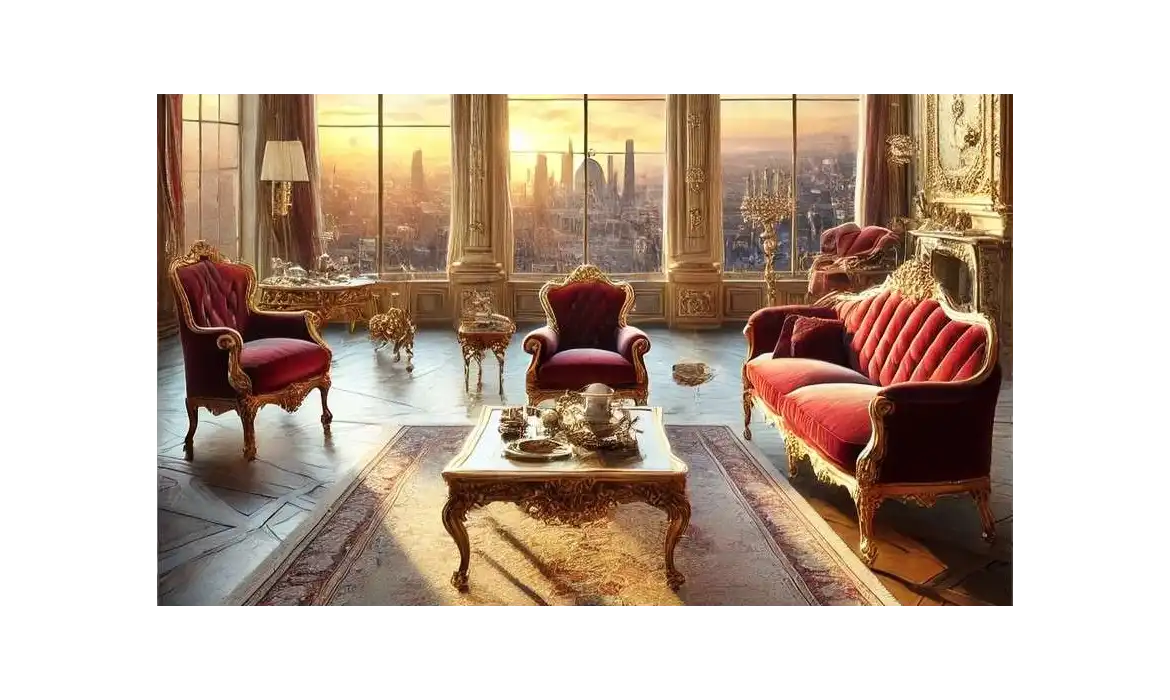
The "Baroque style" in decoration is characterized by its opulence, theatricality, and attention to detail.
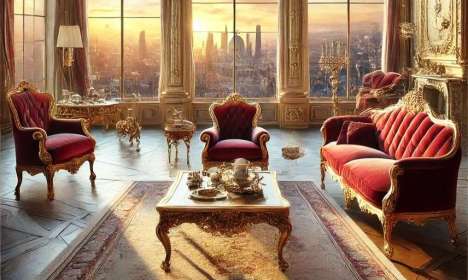
The "Baroque style" in decoration is characterized by its opulence, theatricality, and attention to detail. Originating in Italy in the 17th century and spreading throughout Europe, Baroque style aimed to amaze and emotionally engage viewers through art and architecture. Below is a description of the main features of Baroque decoration:
Elaborate Ornaments
- Extensive use of intricate decorative motifs such as garlands, festoons, acanthus leaves, shells, and scrolls.
- Dominance of curvilinear and sinuous elements, often combined to create a sense of movement and dynamism.
- Richly detailed designs emphasizing luxury and refinement.
Luxurious Materials
- Use of precious materials such as marble, gilded bronze, gold, silver, and mother-of-pearl.
- Surfaces often adorned with inlays, mosaics, or semi-precious stones.
- Frequent use of gilding to enhance brightness and symbolic importance.
Dramatic Colors
- Rich and saturated color palettes, with golden accents and deep tones like red, ultramarine blue, green, and purple.
- Contrasts of light and shadow to create theatrical and dramatic effects.
Optical and Illusory Effects
- Often features trompe-l'œil and illusionistic frescoes on ceilings, creating depth and breathtaking perspectives.
- Decorative spaces designed to blur the boundaries between architecture, painting, and sculpture.
Religious and Mythological Themes
- Decorations celebrating sacred and allegorical themes, emphasizing divine glory and grandeur.
- Depictions of angels, cherubs, saints, and mythological figures in dramatic and dynamic poses.
Symmetry and Dynamism
- Use of symmetry to create harmony, balanced by a sense of movement and vitality.
- Combination of opposing elements (e.g., curves and straight lines, full and empty spaces) to enhance visual impact.
Integrated Sculptures and Decorations
- Sculptures that appear to "emerge" from walls or ceilings, blending with the surrounding architecture.
- Decorative elements seamlessly integrated with furniture, ceilings, and walls to create unified and immersive spaces.
Lighting and Light Effects
- Strategic use of natural and artificial light to create dramatic effects.
- Mirrors positioned to reflect light and expand the space, amplifying the theatrical effect.
Fusion of Architecture and Decoration
- Baroque architecture is perfectly integrated with decoration, making each element part of a unique and harmonious whole.
- Churches, palaces, and villas often adorned with decorations that enhance architectural forms.
The Baroque style, with its grandeur and theatrical spirit, influenced not only decorative arts but also architecture and music, becoming a symbol of luxury and power.